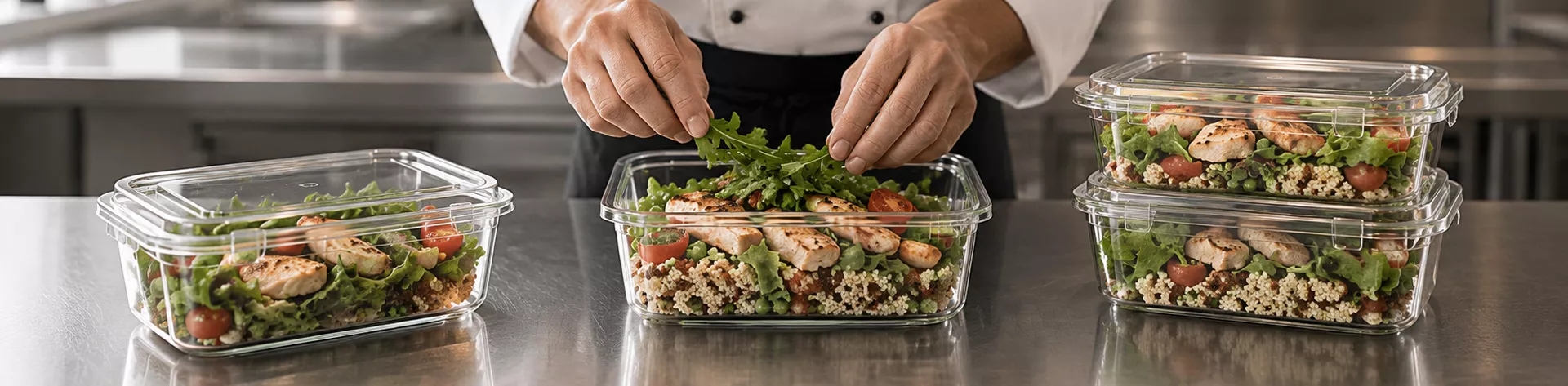
Sustainability has become a major priority in the food packaging industry, but premium brands cannot rely on environmental claims alone. They need packaging that is responsible, attractive, functional, and reliable. Sustainable premium food packaging combines environmental awareness with the performance standards required by modern food businesses.
The new expectations for food packaging
Consumers are paying closer attention to what packaging is made from, how it is used, and what happens after disposal. At the same time, they still expect convenience, safety, freshness, and a polished appearance. This creates a clear challenge for food brands: packaging must reduce environmental impact without sacrificing product quality.
For manufacturers, the answer is not one single material or one universal design. The best solution depends on the food type, market, storage conditions, logistics, branding needs, and local recycling or disposal systems.
Elements of sustainable premium packaging
- Material efficiency: Using the right amount of material helps reduce waste while maintaining strength.
- Reusable design: Durable containers can extend product life and encourage repeat use where appropriate.
- Recyclable options: Clear material identification and suitable structures can support better recycling outcomes.
- Reduced product waste: Packaging that protects freshness can reduce discarded food, which is also an important sustainability benefit.
- Premium presentation: Sustainable packaging should still look refined and match the value of the food inside.
Sustainability and performance must work together
Packaging that looks environmentally friendly but fails during transportation creates waste, cost, and dissatisfaction. A container that leaks, cracks, collapses, or shortens shelf life can harm both the product and the brand. True sustainability must include dependable performance.
Premium sustainable packaging is engineered to meet commercial requirements. It must handle stacking, sealing, filling, storage, and delivery while supporting the brand’s environmental goals. This balance requires manufacturing experience and careful product development.
Helping brands make better packaging decisions
Food companies often face many questions when choosing sustainable packaging. Should they prioritize recyclability, reuse, lightweight design, renewable materials, or shelf-life extension? The best answer depends on the product and the business model.
As a professional manufacturer specializing in high-end food containers and fresh-keeping packaging, we help brands evaluate packaging options based on real use. Our focus is to deliver solutions that look premium, perform reliably, and support responsible packaging strategies.
Conclusion
Sustainable packaging is no longer separate from premium packaging. For modern food brands, the strongest solutions combine responsible material choices, strong product protection, elegant presentation, and dependable manufacturing quality. With the right packaging partner, sustainability can become part of a better customer experience and a stronger brand identity.